Source Sponge Tire Dressing Applicator Pad for Car Waxing, Cleaning, and Polishing
Explore 30 options for the sponge tire dressing applicator pad designed for car polishing, waxing, and cleaning tasks. Buyers can compare sizes, colors, and customization features from suppliers in Anhui, China to find the right tool for their needs.
Key considerations
Products List




Comprehensive Sourcing Guide
Strategic Sourcing Guide for Sponge Tire Dressing Applicator Pads
Understanding Product Variants and Core Specifications
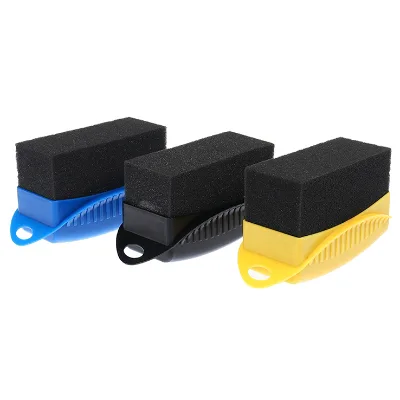
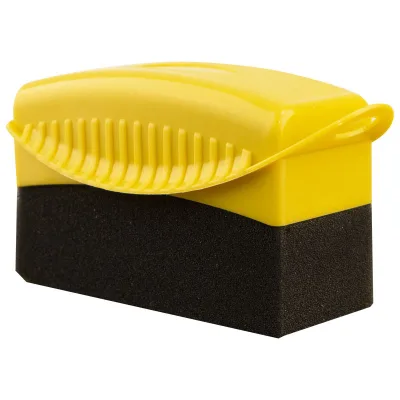
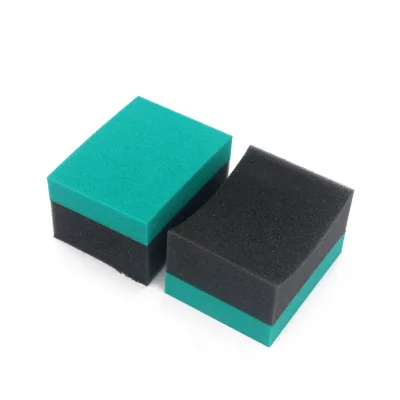
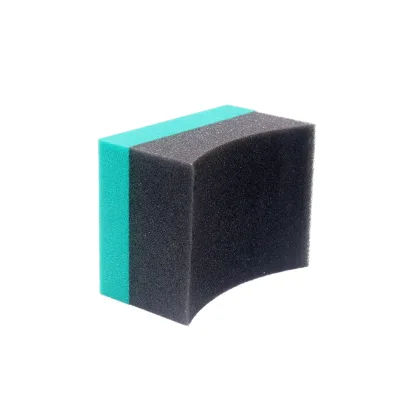
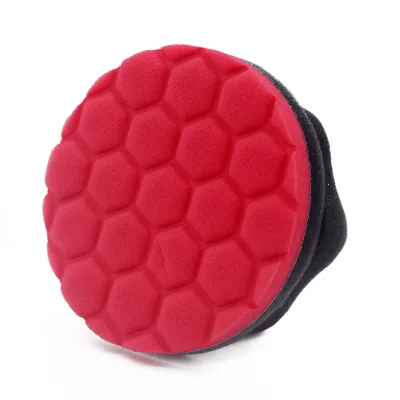
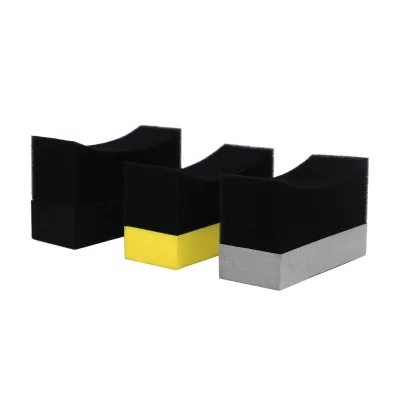
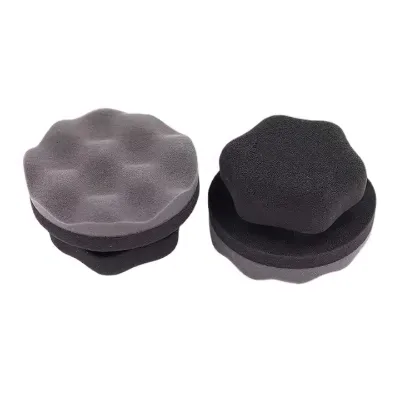
When sourcing a sponge tire dressing applicator pad, buyers must first navigate the diverse range of product configurations available in the global market. The core keyword "sponge tire dressing applicator pad" encompasses several distinct sub-categories, including tire shine dressing applicators, ceramic coating foam applicators, and trim and tire dressing pads with cover cases. These variations are not merely cosmetic; they represent different functional designs tailored to specific automotive detailing tasks. The fundamental material for these items is consistently identified as sponge, a porous synthetic material chosen for its ability to absorb and evenly distribute liquid dressings without scratching delicate tire sidewalls or painted surfaces.
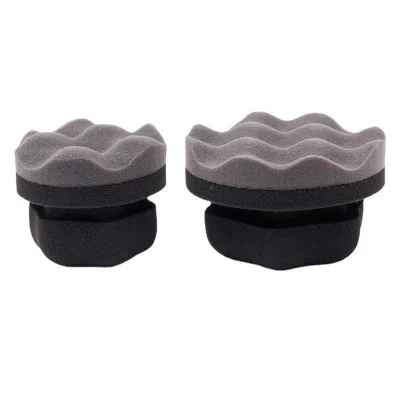
Technical specifications vary significantly across different models, and buyers should treat these as observations of specific listings rather than universal standards for the entire category. For instance, specific models such as WA11-O are documented with dimensions of 8.5x8.5x12cm, while others like WA10 are specified at 10.5x(5+1)cm. A third variation, model WA12, presents a more complex geometry measuring 10x4x(2.5+3.5)cm, likely designed for ergonomic handling or specific contouring needs. Another model, FC038, adheres to a standard of 96x40x65mm, and model CWOK-070 offers dual sizing options of 9.6x8.3x6.5cm or 11.6x6.2x4.3cm. These dimensional differences directly impact the surface area coverage and the amount of product the pad can hold.
The color palette is another critical specification that influences buyer selection. Listings indicate a wide range of available colors including blue, red, purple, black, white, and yellow. Some suppliers offer fully customized color options, allowing brands to align the product with their corporate identity. The "Grade" of the sponge is also a technical differentiator, with some products categorized for cutting, polishing, and finishing applications. While the primary application is for car polishing and waxing, some listings extend the usage to digital products and general industrial brushes, suggesting a versatility that buyers should verify against their specific use cases.
Compliance, Certification, and Material Standards
In the B2B procurement of automotive detailing tools, compliance and certification are paramount for ensuring product safety and supply chain integrity. Buyers must verify that suppliers adhere to recognized international standards. The provided data indicates that certain products in this category hold certifications including GRS (Global Recycled Standard), FSC (Forest Stewardship Council), ISO9001, and BSCI. These certifications are not merely marketing terms; they signal that the manufacturer has undergone audits regarding quality management systems, social responsibility, and environmental sustainability.
The GRS certification is particularly relevant for buyers focused on sustainability, as it verifies the recycled content of the sponge material. FSC certification suggests that any wood-based packaging or components (if applicable) are sourced from responsibly managed forests. ISO9001 confirms that the supplier maintains a robust quality management system, which is essential for consistent production of high-quality applicator pads. BSCI certification indicates adherence to ethical labor practices, a critical factor for modern procurement strategies that prioritize corporate social responsibility.
Buyers should also scrutinize the "Standard" field in product specifications. While some listings explicitly state standards like 10.5x(5+1)cm or 96x40x65mm, others may list generic descriptions. It is the buyer's responsibility to confirm that the physical dimensions and material density match the stated standard. The material itself is described as "Sponge," but the specific density, porosity, and chemical resistance are not detailed in the general facts. Therefore, procurement teams must request detailed material data sheets (MDS) to ensure the sponge is resistant to the chemicals found in tire dressings, which often contain solvents or oils that could degrade low-quality foam.
Cost Drivers and Pricing Dynamics
The pricing structure for sponge tire dressing applicator pads is influenced by a complex interplay of factors, including customization, order volume, and packaging requirements. The observed price range in the market spans from $0.12 to $2.62 USD per unit. This wide variance suggests that the base cost of a generic, non-customized sponge pad is at the lower end of the spectrum, while premium features drive the price upward.
The primary cost driver is customization. Products with customized logos, specific colors, or unique packaging incur higher unit costs. The data confirms that "Customization" is available, and "Logo" customization is a standard offering. The "Sample Time" for these customized items is noted as 3 days, indicating a relatively agile production process, but the setup costs for custom molds or printing are often amortized over the order quantity.
Minimum Order Quantity (MOQ) is another significant cost factor. While some listings show an MOQ as low as 1 piece for sampling purposes, the standard commercial MOQ for production runs is typically 500 pieces. However, observed ranges extend up to 5000 pieces. Ordering closer to the higher end of the MOQ spectrum usually results in a lower unit price due to economies of scale in manufacturing and shipping. Packaging also impacts cost; options range from individual polybags to bulk cartons. A specific listing notes a carton quantity of 400 pieces with a carton size of 58x46x54cm, which affects the logistics cost per unit. Buyers must balance the desire for customization against the MOQ requirements to optimize their total landed cost.
Typical Applications and Usage Scenarios
The versatility of the sponge tire dressing applicator pad extends beyond simple tire cleaning. The primary application is explicitly defined as "Car Polishing Waxing Cleaning Sponge," making it a staple tool for professional detailers and automotive enthusiasts. The product is designed to apply tire shine dressing evenly, ensuring a uniform finish without streaks or drips. The sponge's porosity allows it to hold a sufficient amount of liquid dressing while preventing over-saturation, which could lead to product waste or splashing.
Beyond automotive care, the usage data indicates applications in "Digital Products" and "Electrical & Electronics," as well as "Machinery." This suggests that the sponge material is suitable for cleaning delicate surfaces in various industries where abrasion must be minimized. For example, the same sponge technology used for tire dressing might be adapted for cleaning computer screens or sensitive electronic components, provided the chemical compatibility is verified.
The product is also categorized under "Industrial Brushes" in some contexts, highlighting its utility in broader maintenance scenarios. The "Trim&Tire Dressing Applicator with Cover Case Pad" variant, model WA11-C, specifically addresses the need for protecting the applicator and keeping the workspace clean. This specific design feature is ideal for mobile detailers who need to transport their tools efficiently. The "Large Tire Shine Applicator Pad" suggests a need for high-volume coverage, suitable for commercial fleets or large vehicles where speed and efficiency are critical.
Supplier Evaluation and Production Capabilities
Evaluating a supplier for sponge tire dressing applicator pads requires a deep dive into their production capabilities and logistical readiness. The origin of these products is predominantly Anhui, China, a region known for its manufacturing infrastructure. Buyers should verify the specific factory location within this region to assess proximity to ports and shipping routes, which can impact lead times.
Key evaluation criteria include the supplier's ability to handle customization. The data confirms that "Customization" is available for both the product and the logo. Buyers should inquire about the supplier's capacity for custom color matching and logo printing techniques. The "Sample Time" of 3 days is a strong indicator of a responsive production line, but buyers must also ask about the lead time for bulk production, which is not explicitly stated in the provided facts but is a critical procurement metric.
Packaging capabilities are another vital area of evaluation. Suppliers offer various packing options, including "1PCS/ Polybag," "Individual Bags," and "Bulk/ or Custom" cartons. The specific carton size of 58x46x54cm for 400 pieces provides a benchmark for logistics planning. Buyers should ensure that the supplier can accommodate their specific packaging requirements, whether it is custom branding on the polybag or specific carton labeling for retail distribution.
Furthermore, the "Condition" of the product is listed as "New," which is standard for new procurement but worth confirming for any refurbished or second-hand equipment scenarios. The "OEM" (Original Equipment Manufacturer) status is confirmed as "Yes," indicating that the supplier is experienced in producing goods for other brands. This experience is a positive signal for quality control and adherence to client specifications.
Quality Control and Long-Term Procurement Strategy
Implementing a robust quality control (QC) strategy is essential for maintaining the integrity of the sponge tire dressing applicator pad supply chain. Since the material is sponge, buyers must test for durability, absorption rate, and resistance to tearing. The "Grade" of the sponge, described as suitable for "Cutting/Polishing/Finishing," implies a multi-layered or high-density structure, but this must be verified through physical testing.
Buyers should establish a clear acceptance criteria based on the observed specifications. For example, if the order is for model WA11-O, the dimensions must be strictly 8.5x8.5x12cm. Any deviation should be grounds for rejection. The color consistency is also a QC point; with options ranging from blue to yellow, color matching against a Pantone standard or physical sample is necessary to ensure brand consistency.
For long-term procurement, buyers should consider the scalability of the supplier. The observed MOQ of 500 pieces is a starting point, but as demand grows, the ability to scale to 5000 pieces without compromising quality is crucial. The availability of "Free Samples" (with a shipping fee of $35) is a valuable resource for initial quality assessment. Buyers should utilize this sample period to test the product in real-world scenarios, checking for issues like shedding, hardening, or chemical degradation.
Finally, the supply chain's resilience should be evaluated. With certifications like ISO9001 and BSCI, suppliers demonstrate a commitment to continuous improvement and ethical practices. However, buyers should also assess the supplier's contingency plans for raw material shortages or logistical disruptions. The "Quantity" per carton and the "Carton Size" are critical for inventory management and warehouse planning. By maintaining a clear understanding of these logistical parameters, buyers can optimize their stock levels and reduce the risk of stockouts.
Conclusion
Sourcing sponge tire dressing applicator pads requires a meticulous approach that balances technical specifications, compliance standards, and cost efficiency. The market offers a wide array of options, from basic polybag-packed sponges to customized, branded applicators with cover cases. Buyers must carefully evaluate the dimensions, material grade, and certification status of potential suppliers to ensure the product meets their specific needs. By leveraging the available data on customization, packaging, and production capabilities, procurement teams can build a resilient supply chain that delivers high-quality tools for automotive and industrial applications. The key to success lies in rigorous quality control, clear communication of specifications, and a strategic approach to volume and customization.
FAQs
What customization options are available for the sponge tire dressing applicator pad?
Customization is available for logos, colors, and specific product designs. Buyers can choose from blue, red, purple, black, white, or yellow, or request fully customized colors to match their brand identity.
How long does it take to receive samples for the sponge tire dressing applicator pad?
The sample time is typically 3 days for production. While samples are often free, buyers must pay a shipping fee of $35 to receive the physical product for quality assessment before placing a bulk order.
Which certifications do suppliers of the sponge tire dressing applicator pad hold?
Suppliers hold certifications including GRS, FSC, ISO9001, and BSCI. These credentials verify adherence to quality management systems, ethical labor practices, and environmental sustainability standards for the recycled sponge material.
What is the minimum order quantity for the sponge tire dressing applicator pad?
The standard minimum order quantity is 500 pieces for production runs. However, some listings allow for lower quantities as low as one piece for sampling, while bulk orders can reach up to 5000 pieces.
Can the sponge tire dressing applicator pad be used for digital products?
Yes, the product usage extends to digital products and industrial machinery in addition to car polishing. The sponge material is suitable for cleaning delicate surfaces where abrasion must be minimized across various industries.
Where are the sponge tire dressing applicator pads manufactured?
The products originate from Anhui, China, which is a known manufacturing hub. Buyers should verify specific factory locations within this region to assess proximity to ports and potential impact on shipping lead times.
How are the sponge tire dressing applicator pads packaged for shipment?
Packaging options include individual polybags, bulk cartons, or custom configurations. A standard carton may contain 400 pieces with dimensions of 58x46x54cm, but buyers can request specific packing to suit their logistics needs.